- Artist
- Cartoonist
- Writer
- American
- Black
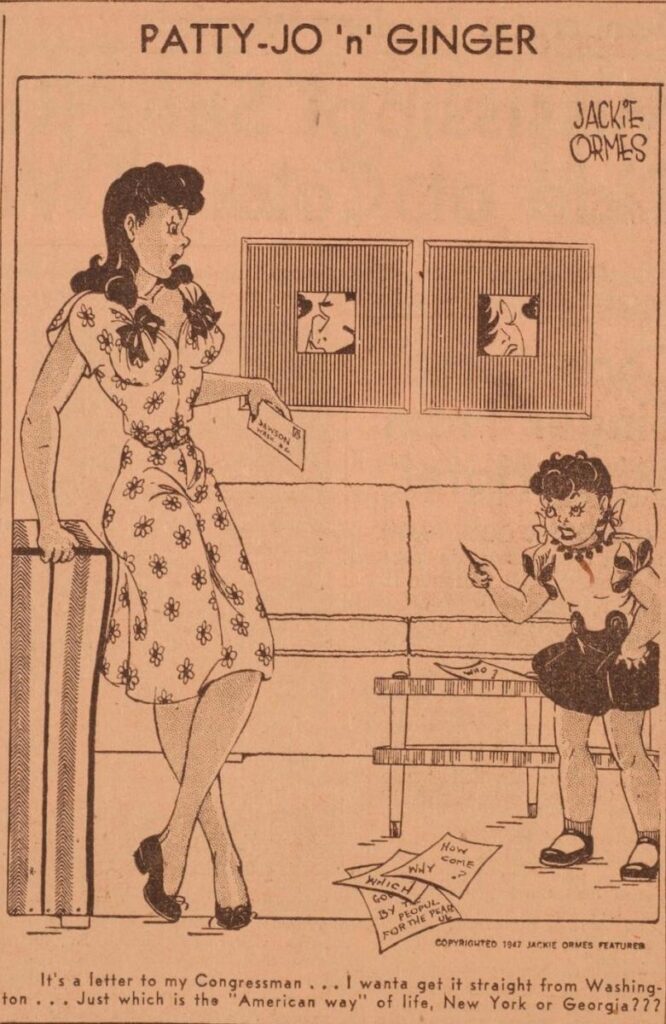
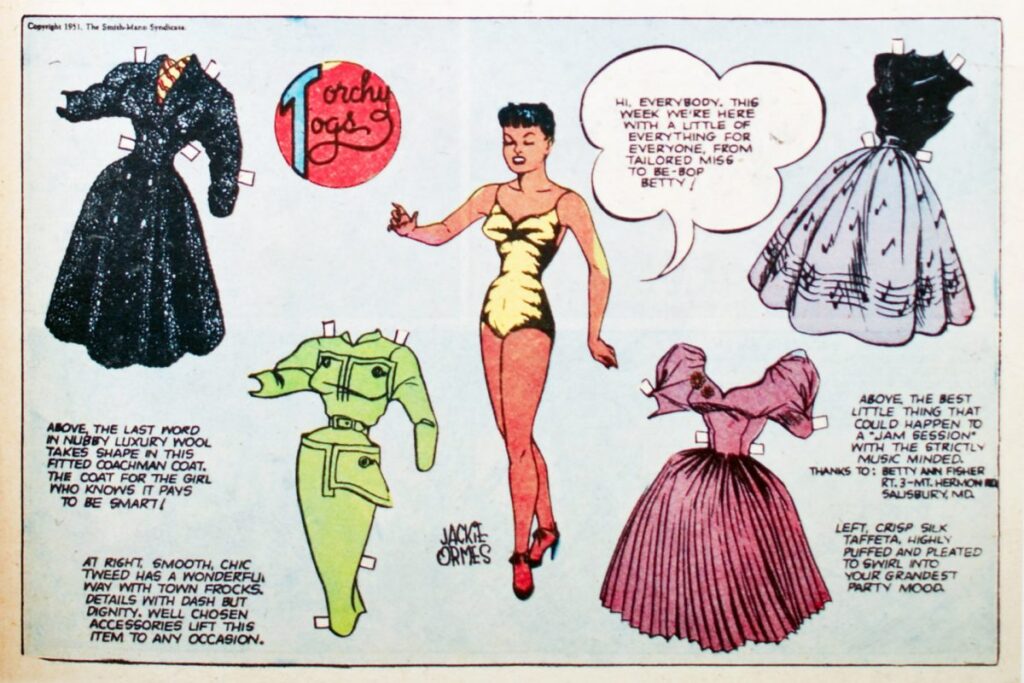
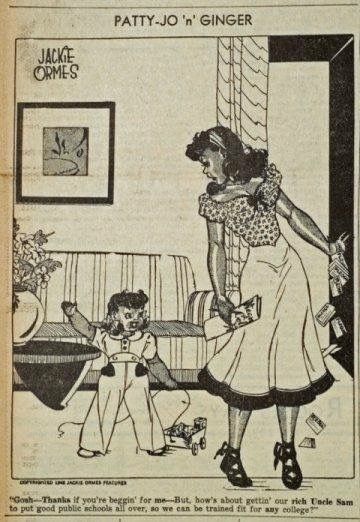
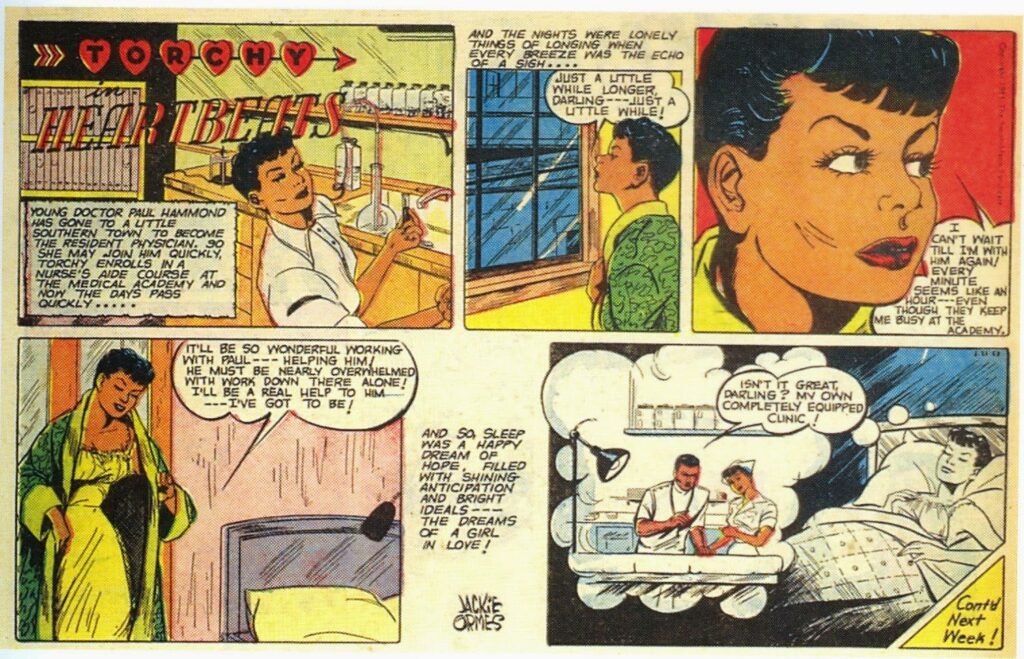
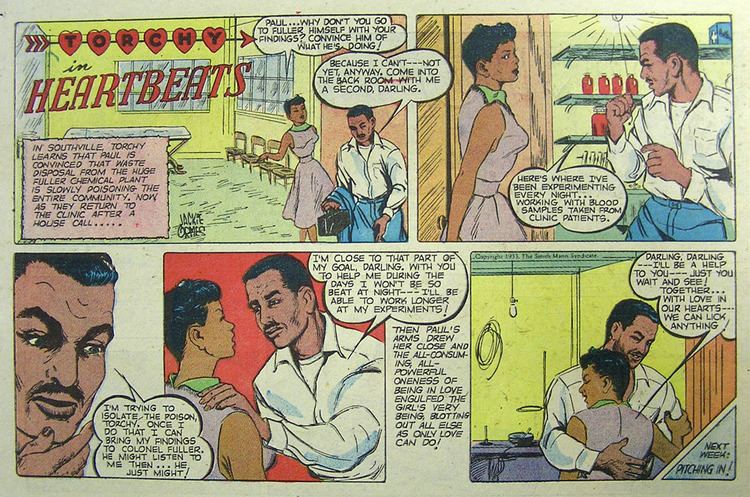
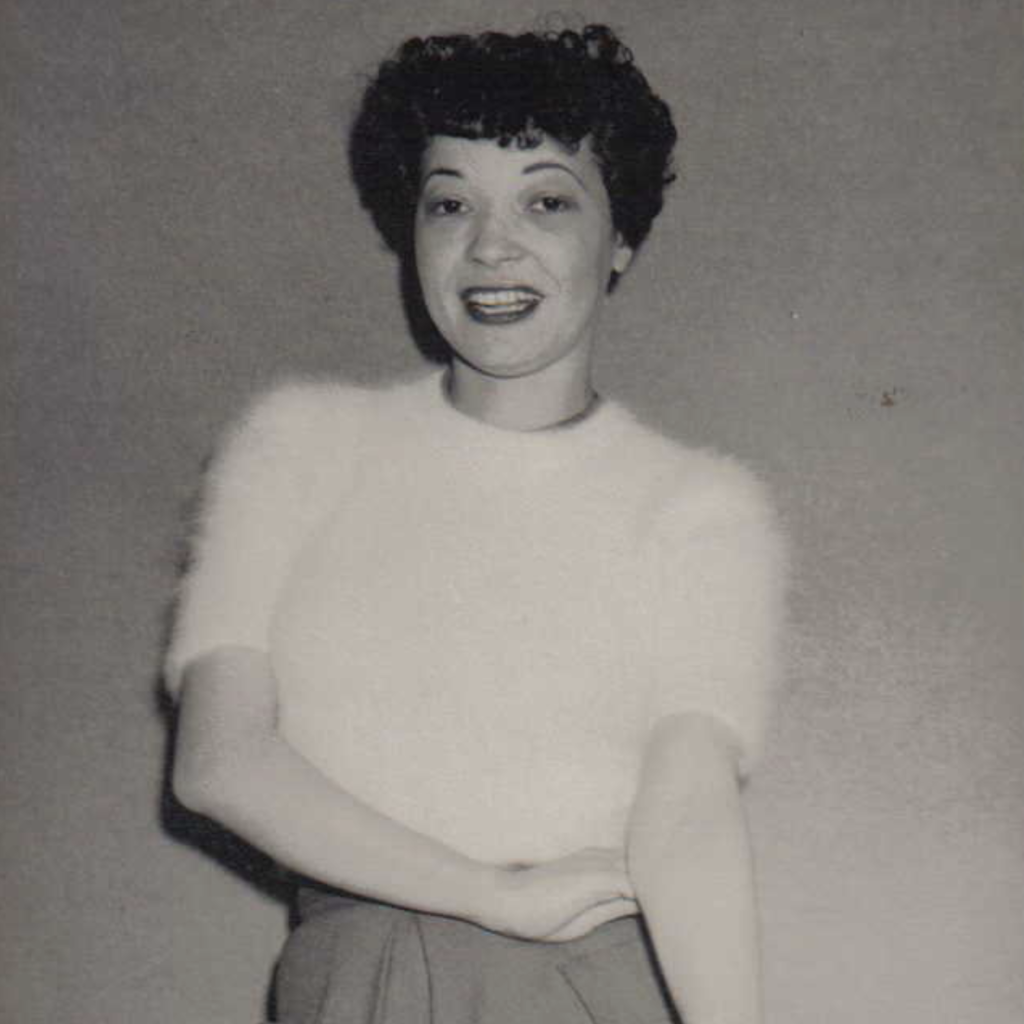
Zelda Mavin Jackson, known professionally as Jackie Ormes, was born on August 1, 1911, in Pittsburgh, Pennsylvania, to parents William Winfield Jackson and Mary Brown Jackson. She grew up in Monongahela, Pennsylvania, and later moved to Chicago. She is recognized as the first African American woman to be a professionally published cartoonist in the United States. Her first strip, Torchy Brown in Dixie to Harlem, debuted in 1937 in the Pittsburgh Courier and ran through 1938, appearing in all editions of that major Black-owned newspaper — as close to full syndication as an African American strip could expect at the time. The strip followed Torchy Brown, an aspiring entertainer traveling from Mississippi to Harlem. Her second strip, Candy, ran from 1945 to 1950 as a single-panel feature. Her most celebrated work, Torchy in Heartbeats, ran from 1950 to 1954 in the Pittsburgh Courier, featuring Torchy as a strong, sophisticated, politically conscious Black woman who tackled issues of racial injustice, environmental pollution, and women's rights. The strip was notable for incorporating politically progressive commentary decades before such themes were mainstream in American comics. Ormes was also a fine artist who designed and produced the Patty-Jo doll — a Black fashion doll based on her character Patty-Jo from the comic panel Patty-Jo 'n' Ginger, which made Ormes one of the first Black American women to create and produce a mass-market doll. She was a member of the Chicago chapter of the Arts Club and was investigated by the FBI during the McCarthy era due to her political activism. Jackie Ormes passed away on December 26, 1985. In 2014 she was inducted into the National Association of Black Journalists Hall of Fame. In 2018 she was inducted into the Will Eisner Comic Industry Hall of Fame. On September 1, 2020, Google honored her with a Doodle.
Torchy Brown in Dixie to Harlem (Pittsburgh Courier, 1937–1938, creator/artist/writer); Candy (single-panel, 1945–1950, creator/artist/writer); Patty-Jo 'n' Ginger (single-panel, 1945–1956, creator/artist/writer); Torchy in Heartbeats (Pittsburgh Courier, 1950–1954, creator/artist/writer); Patty-Jo doll (designer and creator — one of the first Black American women to create a mass-market doll)
August 1, 1911: Born in Pittsburgh, Pennsylvania; Grew up in Monongahela, Pennsylvania; later moved to Chicago; 1937: Torchy Brown in Dixie to Harlem debuted in the Pittsburgh Courier — first professionally published Black woman cartoonist in the United States; 1938: Torchy Brown ends its run; 1945: Candy and Patty-Jo 'n' Ginger launched; 1947: Patty-Jo doll designed and produced — one of first Black American women to create a mass-market doll; 1950–1954: Torchy in Heartbeats — tackled racial injustice, environmental pollution, and women's rights; December 26, 1985: Passed away; 2014: Inducted into National Association of Black Journalists Hall of Fame; 2018: Inducted into Will Eisner Comic Industry Hall of Fame; September 1, 2020: Google Doodle in her honor
2018 Hall of Fame inductee
Will Eisner Comic Industry Hall of Fame (2018); National Association of Black Journalists Hall of Fame (2014); First professionally published African American woman cartoonist in the United States; Google Doodle honoree (September 1, 2020)
Google Doodle — September 1, 2020